From Templates to AI Operating Systems: How Website Builders Evolved and Where Small Businesses Win in 2026
Templates got smart, but small service businesses don't have a design problem — they have an operations problem. Here's why the category is shifting from AI website builders to fully managed AI business operating systems, and what to demand before you sign.
The 2026 generation of AI builders deserves credit. Modern platforms integrate branding, SEO, and commerce into a single workflow. Some generate full brand identities — layouts, color palettes, even social media assets — from a short prompt. Others pair AI drafting with visual drag-and-drop editing so owners aren't locked into machine-made decisions. Budget-friendly tiers exist for cost-conscious users, and design-first tools have made polished, credible sites accessible to people who would never have hired an agency. The pattern across the category is clear: AI has absorbed the tasks that used to require specialists. Copywriting, image selection, basic SEO structure, and layout are now table stakes. What hasn't changed is the fundamental deal. Every one of these tools, no matter how smart, hands the owner a project. You still choose the template, adjust the pages, connect the email tool, learn the dashboard, write (or at least approve) the ongoing content, and figure out what happens when a customer calls at 6:45 p.m. while you're on a job site.
Consider what a typical week actually looks like for a local service business. A potential customer calls; you're elbow-deep in a repair and can't pick up. Most callers today don't leave a voicemail — they hang up and dial the next business on Google. A quote you sent last Tuesday sits unopened, and there's no system nudging the customer to look at it. Your blog has three posts, all from launch month, because content consistently loses to the actual work of running the business. Your Google reviews are a year old because requesting them always slips to "next week." None of these problems is a design problem. A beautiful template doesn't answer the phone, follow up on a quote, or publish a service page for the neighboring town you just started serving. This is why the conversation is shifting from "which builder should I use" to "who is going to run this thing for me" — and it's why the managed, done-for-you model is gaining ground with owners who are excellent at their trade and have zero interest in becoming part-time web administrators.
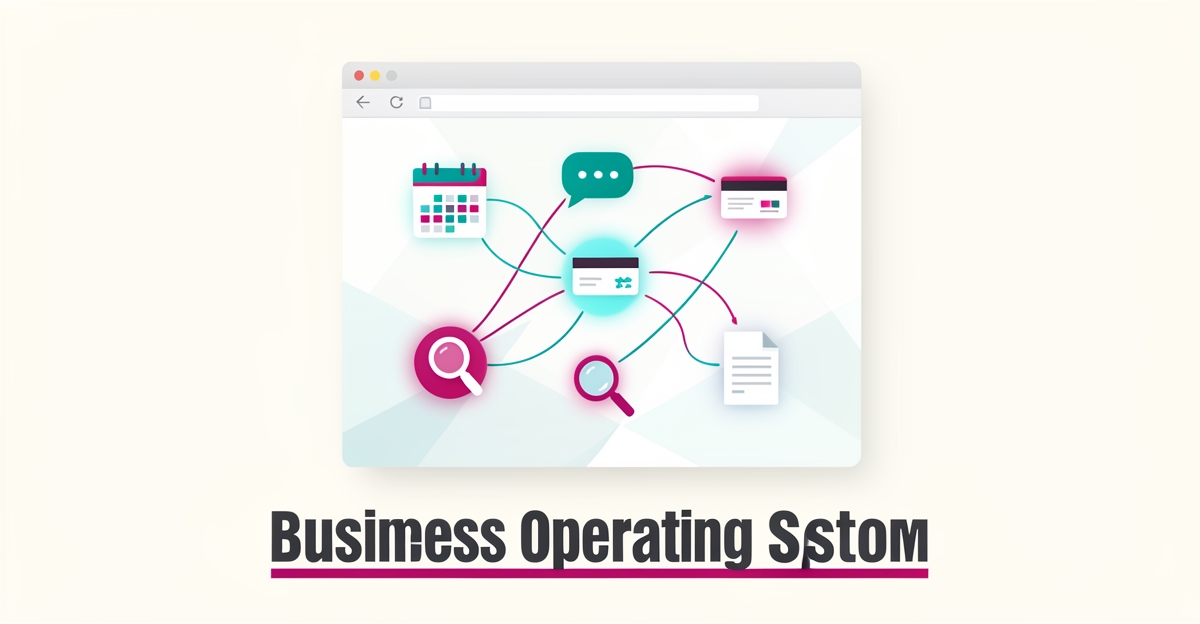
The newest entrants in this space — including AI Business Sites, built by AIQ Labs — treat the website as one component of a larger system rather than the end product. The model works like this: a team builds a custom site (85+ pages at launch, including individual service pages, coverage-area pages for every city served, and comparison guides, all live within 7 days of kickoff), then runs an AI back office behind it. That back office is where the real work happens. A 24/7 chatbot and an embedded voice agent answer visitor questions from the business's own documents and capture leads on the spot. A content engine — a pipeline of 12 specialized AI agents handling research, drafting, claim verification, citations, and SEO formatting — publishes 14 or more new pieces every month, plus daily industry news for the client's niche. A CRM tracks every lead, and automations follow up within seconds rather than days. For businesses that quote and schedule work for a living, the included field-service module closes the entire operational loop: the AI drafts a line-item quote from a call transcript, the customer approves and signs it on a mobile page (with viewed-tracking, so the owner knows exactly when it was opened), the approved quote becomes a job on the calendar, the invoice goes out with an online pay page, and the review request follows payment automatically. Businesses that sell things get the same treatment — an online store, restaurant ordering, bookable services, or event tickets, with card payments flowing directly into the client's own Stripe account.
There's a second shift running parallel to the AI one, and it matters just as much: ownership. For years, the implicit deal with website platforms was rental. Your site lived on their servers, your content lived in their system, and leaving meant starting over. The better model inverts that. With the done-for-you approach, the client owns the code, the content, the lead data, the knowledgebase, and the domain. The site is built on standard open-source technology — React and Next.js, the same stack behind Netflix and Shopify — so any developer can pick it up. Contracts are month-to-month with 30 days' notice, and if an owner leaves, they leave with everything: a complete code repository in their name and a full data export. The pricing follows the same philosophy of simplicity. One setup fee builds the site; one flat monthly fee runs everything — hosting, the AI assistant, the CRM, the content engine, the jobs and invoicing tools, the analytics. No per-seat charges, no feature gates holding reviews or e-signature hostage behind an upsell. Only genuinely optional outbound services — AI lead discovery, cold outreach, social content production, and a dedicated AI receptionist phone line — are sold separately. The philosophy is blunt: keep clients by doing the work, not by locking the doors.
The honest answer is that it depends on what your time is worth. If you enjoy running your own stack, want the cheapest possible option, and have hours to invest in setup and maintenance, a modern AI builder is a legitimate choice — the free engines powering these tools are genuinely capable. But free is only free if your time is. Someone still has to host the site, connect it to the calendar, the phone, and the CRM, keep everything running, and teach it the business. That's a technical project, not a Tuesday afternoon. For owners whose revenue depends on answering customers, quoting quickly, and showing up in local search month after month, the calculation favors delegation: one team, one flat price, one system that answers, writes, sells, and remembers — while the owner does the actual work.